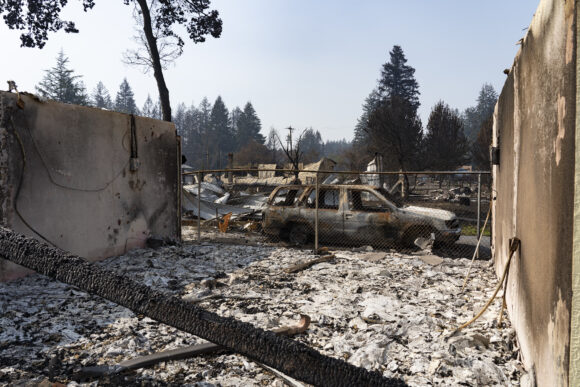
CHICAGO — When a fire is under investigation for potential arson, restoration contractors must navigate a complex legal landscape to avoid disturbing evidence, protect themselves from liability, and ensure that their work does not compromise the investigation — while also responding to the homeowner's urgent need to stabilize and secure the property.
The first rule for restoration contractors at a potential arson scene is to obtain written authorization from the fire marshal or investigating agency before beginning any work beyond emergency stabilization. Disturbing evidence at an arson scene can result in criminal charges, civil liability, and the exclusion of critical evidence from prosecution.
Emergency stabilization — boarding up openings, tarping the roof, and preventing further weather damage — is generally permitted even at active investigation scenes, as it is necessary to preserve the evidence that remains. However, contractors should document the condition of the scene before beginning any stabilization work.
Insurance carriers typically require that a cause and origin investigation be completed before authorizing full restoration work on a fire claim. Carriers may hire their own fire investigators to conduct an independent investigation, and contractors should be prepared to cooperate with multiple investigators who may have different interests in the outcome.
Restoration contractors who are asked to begin work before an investigation is complete should obtain written authorization from both the insurance carrier and the investigating agency, and should document the condition of all areas before disturbing them. This documentation protects the contractor from claims that they destroyed evidence.