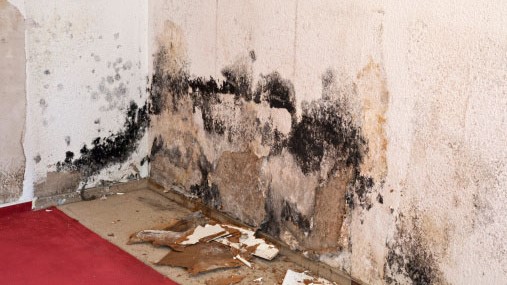
ATLANTA — Stachybotrys chartarum, commonly known as black mold, has been the subject of widespread public fear and significant media misinformation over the past two decades. Here is what the scientific evidence actually shows about its health effects, its prevalence, and how to address it properly.
The most important fact about black mold is that color is not a reliable indicator of toxicity. Not all black-colored molds are Stachybotrys, and not all Stachybotrys molds produce mycotoxins at levels that are harmful to human health. The health effects of mold exposure depend on the species, the concentration of spores, the duration of exposure, and the individual's sensitivity.
The CDC and the American Academy of Allergy, Asthma, and Immunology note that while Stachybotrys can produce mycotoxins under certain conditions, the scientific evidence does not support the claim that Stachybotrys exposure causes the range of severe neurological symptoms — including memory loss, personality changes, and "toxic mold syndrome" — that have been widely reported in the media.
What the evidence does support is that mold exposure of any type — including Stachybotrys — can cause or exacerbate respiratory symptoms, allergic reactions, and asthma in sensitive individuals. The appropriate response to any significant mold growth in a building is professional remediation, regardless of the species.
Restoration contractors should be cautious about making specific health claims to clients regarding the effects of particular mold species. The IICRC S520 standard does not differentiate between mold species in its remediation protocols — the same professional standards apply regardless of whether the mold is Stachybotrys, Aspergillus, Cladosporium, or any other species.