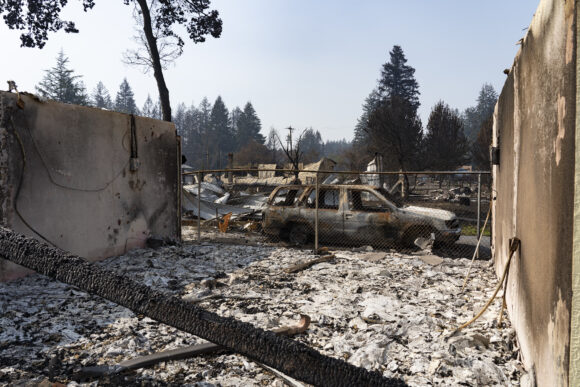
ATLANTA — Fire soot contains a complex mixture of toxic compounds — including polycyclic aromatic hydrocarbons (PAHs), heavy metals, volatile organic compounds, and fine particulate matter — that pose significant health risks to occupants and restoration workers long after a fire is extinguished.
PAHs, which are produced by the incomplete combustion of organic materials, are known carcinogens. Several PAHs found in fire soot — including benzo[a]pyrene and naphthalene — are classified as probable or possible human carcinogens by the International Agency for Research on Cancer. Exposure occurs through inhalation, skin contact, and ingestion.
Heavy metals including lead, cadmium, and chromium are released when building materials, electronics, and paints containing these metals are burned. In older homes, lead-based paint and lead pipes can contribute significant lead contamination to fire soot, creating a dual hazard of fire damage and lead exposure.
Fine particulate matter in fire soot — particles smaller than 2.5 microns — can penetrate deep into the lungs and enter the bloodstream, causing cardiovascular and respiratory effects. Restoration workers who enter fire-damaged structures without appropriate respiratory protection face significant exposure risk.
OSHA requires that restoration workers performing fire cleanup wear at minimum a half-face respirator with P100 particulate filters. For jobs involving significant soot accumulation or potential asbestos or lead contamination, a full-face respirator or powered air-purifying respirator may be required. Skin protection with chemical-resistant gloves and coveralls is also essential.