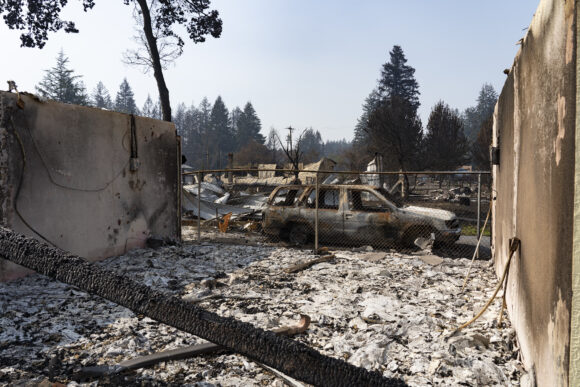
CHICAGO — Determining which structural elements of a fire-damaged building can be safely retained versus which must be demolished requires a systematic assessment process that combines the expertise of structural engineers, who evaluate load-bearing capacity, with that of restoration contractors, who assess the extent of smoke and heat damage to non-structural components.
The assessment process begins with a visual inspection to identify obvious structural damage, including charring of load-bearing members, collapse of floor or roof systems, and damage to foundation elements. Structural engineers use probes and core samples to assess the depth of charring in wood members and the extent of spalling in concrete elements.
Wood structural members can often be retained if the charring is limited to the outer layer and the remaining cross-section is sufficient to carry the design loads. A general rule of thumb is that wood members with less than 20 percent of their cross-sectional area charred can typically be retained, but this determination must be made by a licensed structural engineer.
Steel structural members that have been exposed to high temperatures may have experienced changes in their material properties — particularly yield strength — that are not visible to the naked eye. Structural engineers use hardness testing and, in some cases, laboratory analysis to assess whether fire-exposed steel members can be safely retained.
The assessment process should be documented thoroughly, with photographs, measurements, and written descriptions of all structural elements examined. This documentation is essential for insurance claim purposes and for demonstrating that the restoration work was performed in accordance with applicable building codes and engineering standards.