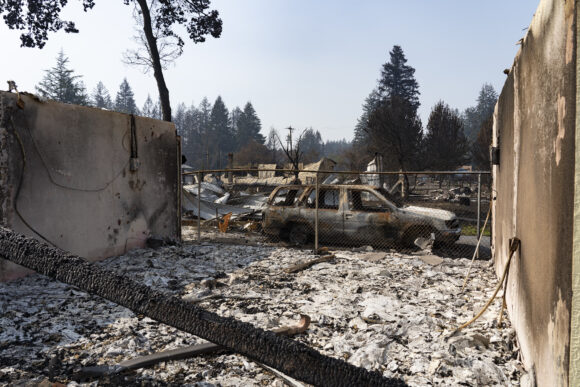
CHICAGO — Smoke odor is one of the most challenging problems in fire restoration, requiring a systematic approach that addresses both the source of the odor compounds and their penetration into porous building materials and contents. Here is the current best-practice methodology, based on IICRC S770 guidelines.
The first step in smoke odor remediation is source removal — physically removing all materials that have absorbed smoke compounds, including charred structural materials, smoke-saturated insulation, and heavily contaminated contents. No amount of deodorization will eliminate odor if the source materials remain in the structure.
After source removal, the structure should be cleaned thoroughly to remove soot and smoke residue from all surfaces. Different cleaning methods are appropriate for different surface types: dry sponge cleaning for light soot on walls and ceilings, chemical sponge cleaning for heavier deposits, and wet cleaning with appropriate detergents for hard surfaces.
Deodorization is the final step and may involve a combination of techniques including thermal fogging, hydroxyl generation, ozone treatment, and encapsulant sealers. The choice of technique depends on the type and severity of the odor, the materials involved, and whether the structure is occupied.
Post-remediation odor testing using trained odor evaluators or electronic nose technology is recommended to verify that the deodorization has been effective before the structure is returned to occupancy. Smoke odor that is not detectable immediately after remediation may become apparent as temperatures rise, so testing should be performed under warm conditions.