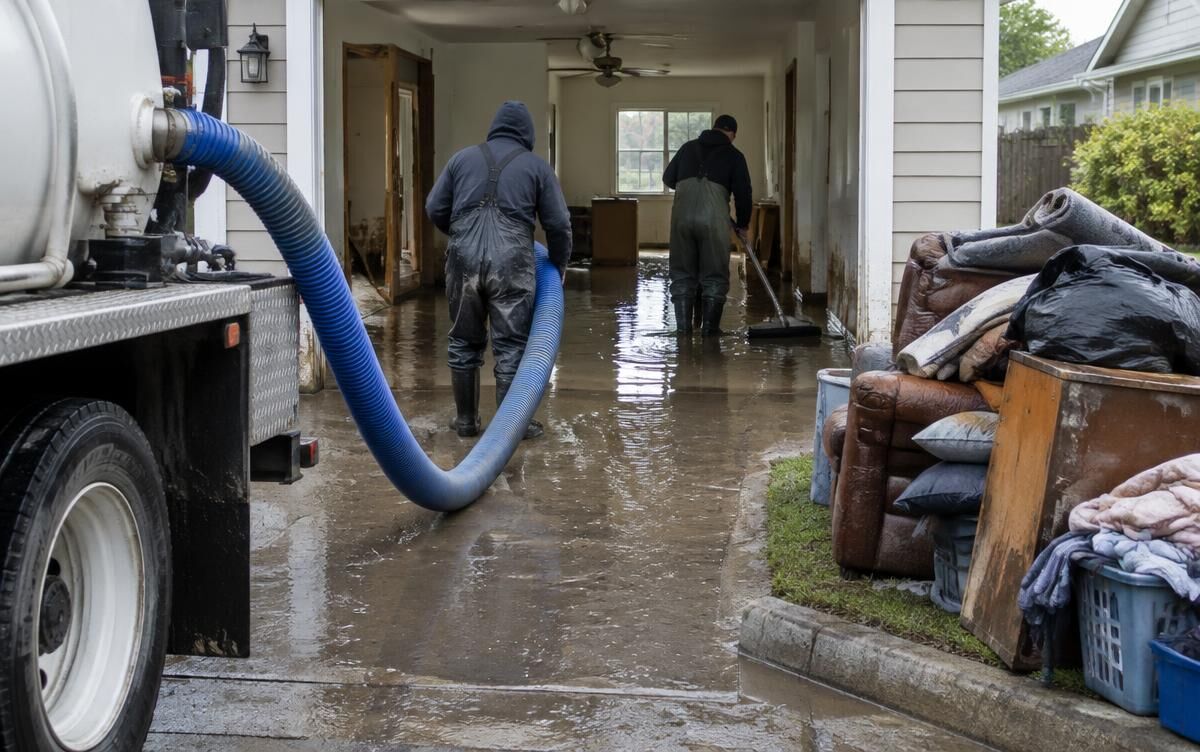
Quiet hurricane season gives Southeast homeowners a window to fortify before 2027
The 2026 Atlantic season ends Monday as one of the calmest on record. Grant programs, insurance discounts and falling Florida rates make the off-season the cheapest time to harden a home.
By RNN Staff Writer · Published
Updated
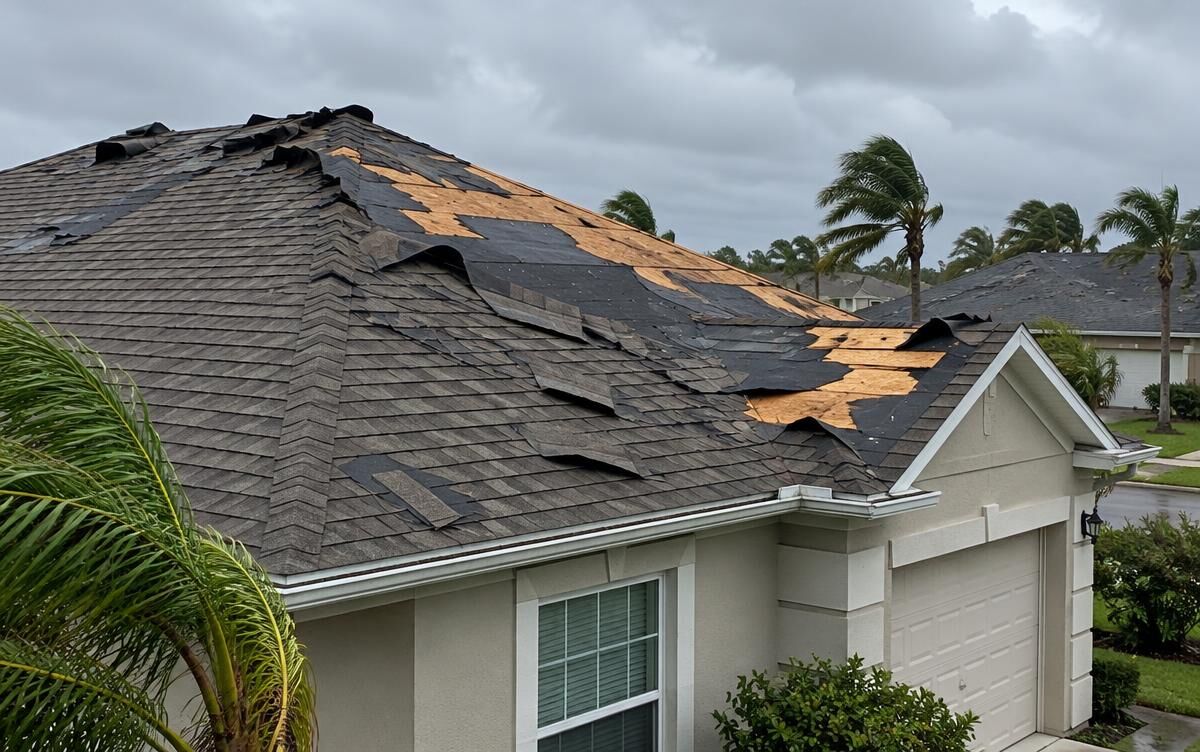
The 2026 Atlantic hurricane season ends Monday, Nov. 30, and for most of the Southeast it will be remembered for what did not happen.
The season produced 10 named storms but very little energy. As of Nov. 4, the Atlantic's Accumulated Cyclone Energy stood at 19.7, about 83% below the long-term average, according to WALA-TV in Mobile, Alabama. AccuWeather declared tropical activity over three weeks before the official end of the season and credited El Niño with suppressing storms.
The exception was Hurricane Isaias, the season's only hurricane, which did not form until early October. Isaias made landfall near Destin, Florida, around 8:30 p.m. CDT on Oct. 9 as a Category 2 storm with maximum sustained winds of 105 mph, according to the National Weather Service's post-storm summary.
Restoration contractors and building-science researchers say a quiet year is not a reason to wait. One calm season says little about the next one, and the months between December and June are when roofers, inspectors and grant programs have the most capacity.
Insurance relief is arriving, and mitigation can add to it
Florida homeowners are seeing their first sustained premium relief in years. On Oct. 29, the state's Office of Insurance Regulation and Chief Financial Officer Blaise Ingoglia announced that 824,000 homeowners would see rate decreases of as much as 12.1%, with about 450,000 more set to receive reductions in November, December and January.
Florida law requires insurers to offer discounts for wind-mitigation features. Homeowners who add or document those features — roof-to-wall connections, opening protection, a sealed roof deck — can stack those credits on top of any base-rate decrease. A wind-mitigation inspection is the document insurers use to apply them.
Grant money across the Southeast
Several Southeast states help pay for hardening:
- Florida: My Safe Florida Home offers matching grants of up to $10,000 for roofs, impact windows and doors. Funding comes in rounds set by the Legislature, and the program's website says it continues to take contact information from interested homeowners. Check the participant portal for current application status before scheduling work.
- Alabama: The Strengthen Alabama Homes program awards up to $10,000 toward retrofitting a home to the FORTIFIED Roof standard, according to the Alabama Department of Insurance.
- North Carolina: Grants administered by the North Carolina Insurance Underwriting Association have supported thousands of FORTIFIED Roof upgrades in 18 coastal counties, according to the Insurance Institute for Business & Home Safety.
- South Carolina: The state offers an income tax credit of 25% of storm-hardening costs or $1,000, whichever is less, according to the Environmental Law Institute.
Why the roof comes first
IBHS research shows sealing the roof deck can reduce water intrusion by up to 95%. After Hurricane Sally in 2020, a University of Alabama study found that homes built or retrofitted to the FORTIFIED standard sustained significantly less damage than nearby conventional homes, according to IBHS.
What homeowners overlook
- The garage door. It is often the largest opening on a house and the most likely to fail under wind pressure.
- The paperwork. A current wind-mitigation inspection report is what unlocks insurance credits. Without one, upgrades may not be priced into a policy.
- Contractor timing. Spring demand compresses schedules. Winter bookings give homeowners more choice of licensed contractors and time to verify a contract before signing.
The 2027 season begins June 1.
Sources
Spot an error? Email desk@restorationnewsnow.com