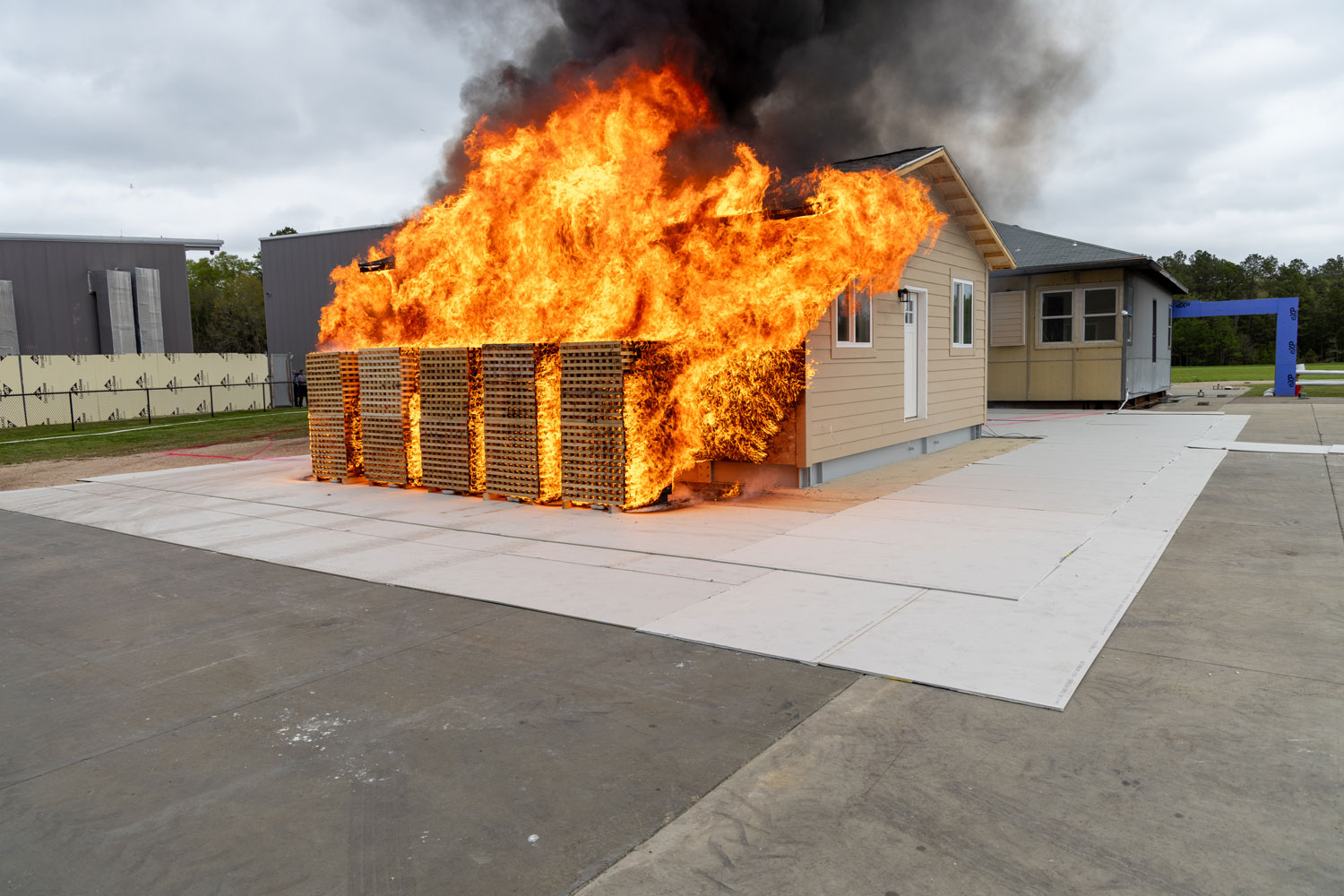
LOS ANGELES — Home hardening — modifying a structure to resist ignition from wildfire embers, flames, and radiant heat — is the most effective strategy for protecting homes in the wildland-urban interface, where the majority of wildfire-related home losses occur.
Research by the Insurance Institute for Business and Home Safety shows that homes with fire-resistant roofing, enclosed eaves, multi-pane windows, and ember-resistant vents survive wildfires at significantly higher rates than homes without these features — even when surrounded by homes that burn.
The most critical home hardening measure is the roof. Class A fire-rated roofing materials — including concrete tile, metal, and fire-treated wood — are significantly more resistant to ignition from embers than Class B or C materials. Homes with wood shake roofs are at extremely high risk in wildfire conditions.
Defensible space — the buffer zone of reduced vegetation around a home — is a complement to home hardening, not a substitute. CALFIRE recommends Zone 1 (0-30 feet from the home) with low-growing, well-irrigated plants and no combustible materials, and Zone 2 (30-100 feet) with reduced fuel density and spacing between plants.
Several states, including California, Colorado, and Oregon, offer financial incentives for home hardening improvements, including insurance premium discounts, tax credits, and grant programs. Homeowners in fire-prone areas should contact their state insurance commissioner's office and their state forestry agency for information on available programs.